
PYRETHROID PESTICIDE, LIQUID, FLAMMABLE, TOXIC, FLASHPOINT LESS THAN 23°C
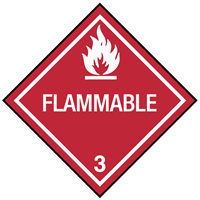
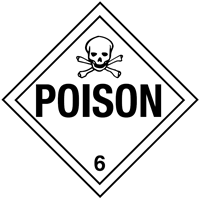
)
)
The
Chemical Identifier fields
include common identification numbers, the
NFPA diamond
U.S. Department of Transportation hazard labels, and a general
description of the chemical. The information in CAMEO Chemicals comes
from a variety of
data sources.
| CAS Number | UN/NA Number |
|---|---|
| none | |
| DOT Hazard Label | USCG CHRIS Code |
|
none |
| NIOSH Pocket Guide | International Chem Safety Card |
| none | none |
NFPA 704
data unavailable
General Description
Pyrethroid Pesticide, Liquid, Flammable, Toxic is a viscous insecticidal liquid dissolved in a flammable carrier such as kerosene, ethanol, ether, or kerosene. A pyrethroid pesticide is a substance possessing the terpenoid structure and insecticidal properties that are characteristic of the pyrethrins. The pyrethrins are terpenoid esters that are obtained from flower heads of the chrysanthemum and related species or by synthesis. The most prominent are pyrethrin I (C21H28O3) and pyrethrin II (C22H28O5 ) which are the major active ingredients in pyrethrum powder. Both of these compounds are water-insoluble oily liquids. The insecticide/carrier mixture is toxic by inhalation, ingestion, and skin absorption.
)
)
The
Hazard fields
include
special hazard alerts
air and water
reactions, fire hazards, health hazards, a reactivity profile, and
details about
reactive groups assignments
and
potentially incompatible absorbents.
The information in CAMEO Chemicals comes from a variety of
data sources.
Reactivity Alerts
- Highly Flammable
Air & Water Reactions
No rapid reaction with air. No rapid reaction with water.
Fire Hazard
Excerpt from ERG Guide 131 [Flammable Liquids - Toxic]:
HIGHLY FLAMMABLE: Will be easily ignited by heat, sparks or flames. CAUTION: Methanol (UN1230) will burn with an invisible flame. Use an alternate method of detection (thermal camera, broom handle, etc.) Vapors may form explosive mixtures with air. Vapors may travel to source of ignition and flash back. Most vapors are heavier than air. They will spread along the ground and collect in low or confined areas (sewers, basements, tanks, etc.). Vapor explosion and poison hazard indoors, outdoors or in sewers. Those substances designated with a (P) may polymerize explosively when heated or involved in a fire. Runoff to sewer may create fire or explosion hazard. Containers may explode when heated. Many liquids will float on water. (ERG, 2024)
HIGHLY FLAMMABLE: Will be easily ignited by heat, sparks or flames. CAUTION: Methanol (UN1230) will burn with an invisible flame. Use an alternate method of detection (thermal camera, broom handle, etc.) Vapors may form explosive mixtures with air. Vapors may travel to source of ignition and flash back. Most vapors are heavier than air. They will spread along the ground and collect in low or confined areas (sewers, basements, tanks, etc.). Vapor explosion and poison hazard indoors, outdoors or in sewers. Those substances designated with a (P) may polymerize explosively when heated or involved in a fire. Runoff to sewer may create fire or explosion hazard. Containers may explode when heated. Many liquids will float on water. (ERG, 2024)
Health Hazard
Excerpt from ERG Guide 131 [Flammable Liquids - Toxic]:
TOXIC; may be fatal if inhaled, ingested or absorbed through skin. Inhalation or contact with some of these materials will irritate or burn skin and eyes. Methyl chloroacetate (UN2295) is an eye irritant/lachrymator (causes flow of tears). Fire will produce irritating, corrosive and/or toxic gases. Vapors may cause dizziness or asphyxiation, especially when in closed or confined areas. Runoff from fire control or dilution water may cause environmental contamination. (ERG, 2024)
TOXIC; may be fatal if inhaled, ingested or absorbed through skin. Inhalation or contact with some of these materials will irritate or burn skin and eyes. Methyl chloroacetate (UN2295) is an eye irritant/lachrymator (causes flow of tears). Fire will produce irritating, corrosive and/or toxic gases. Vapors may cause dizziness or asphyxiation, especially when in closed or confined areas. Runoff from fire control or dilution water may cause environmental contamination. (ERG, 2024)
Reactivity Profile
Pyrethroid Pesticide, Liquid, Flammable, Toxic is flammable because the carrier solvent is flammable. It is toxic because the pyrethroid active ingredient is toxic. Pyrethroids oxidize rapidly and become less toxic or non-toxic upon exposure to air. Some individuals are more sensitive to pyrethroid poisoning than others.
Belongs to the Following Reactive Group(s)
Potentially Incompatible Absorbents
Use caution: Liquids with this reactive group classification have been known to react with the absorbent listed below. More info about absorbents, including situations to watch out for...
- Dirt/Earth
)
)
The
Response Recommendation fields
include isolation and evacuation distances, as well as recommendations for
firefighting, non-fire response, protective clothing, and first aid. The
information in CAMEO Chemicals comes from a variety of
data sources.
Isolation and Evacuation
Excerpt from ERG Guide 131 [Flammable Liquids - Toxic]:
IMMEDIATE PRECAUTIONARY MEASURE: Isolate spill or leak area for at least 50 meters (150 feet) in all directions.
SPILL: Increase the immediate precautionary measure distance, in the downwind direction, as necessary.
FIRE: If tank, rail tank car or highway tank is involved in a fire, ISOLATE for 800 meters (1/2 mile) in all directions; also, consider initial evacuation for 800 meters (1/2 mile) in all directions. (ERG, 2024)
IMMEDIATE PRECAUTIONARY MEASURE: Isolate spill or leak area for at least 50 meters (150 feet) in all directions.
SPILL: Increase the immediate precautionary measure distance, in the downwind direction, as necessary.
FIRE: If tank, rail tank car or highway tank is involved in a fire, ISOLATE for 800 meters (1/2 mile) in all directions; also, consider initial evacuation for 800 meters (1/2 mile) in all directions. (ERG, 2024)
Firefighting
Excerpt from ERG Guide 131 [Flammable Liquids - Toxic]:
CAUTION: The majority of these products have a very low flash point. Use of water spray when fighting fire may be inefficient. CAUTION: Methanol (UN1230) will burn with an invisible flame. Use an alternate method of detection (thermal camera, broom handle, etc.).
SMALL FIRE: Dry chemical, CO2, water spray or alcohol-resistant foam.
LARGE FIRE: Water spray, fog or alcohol-resistant foam. If it can be done safely, move undamaged containers away from the area around the fire. Dike runoff from fire control for later disposal. Avoid aiming straight or solid streams directly onto the product.
FIRE INVOLVING TANKS, RAIL TANK CARS OR HIGHWAY TANKS: Fight fire from maximum distance or use unmanned master stream devices or monitor nozzles. Cool containers with flooding quantities of water until well after fire is out. Withdraw immediately in case of rising sound from venting safety devices or discoloration of tank. ALWAYS stay away from tanks in direct contact with flames. For massive fire, use unmanned master stream devices or monitor nozzles; if this is impossible, withdraw from area and let fire burn. (ERG, 2024)
CAUTION: The majority of these products have a very low flash point. Use of water spray when fighting fire may be inefficient. CAUTION: Methanol (UN1230) will burn with an invisible flame. Use an alternate method of detection (thermal camera, broom handle, etc.).
SMALL FIRE: Dry chemical, CO2, water spray or alcohol-resistant foam.
LARGE FIRE: Water spray, fog or alcohol-resistant foam. If it can be done safely, move undamaged containers away from the area around the fire. Dike runoff from fire control for later disposal. Avoid aiming straight or solid streams directly onto the product.
FIRE INVOLVING TANKS, RAIL TANK CARS OR HIGHWAY TANKS: Fight fire from maximum distance or use unmanned master stream devices or monitor nozzles. Cool containers with flooding quantities of water until well after fire is out. Withdraw immediately in case of rising sound from venting safety devices or discoloration of tank. ALWAYS stay away from tanks in direct contact with flames. For massive fire, use unmanned master stream devices or monitor nozzles; if this is impossible, withdraw from area and let fire burn. (ERG, 2024)
Non-Fire Response
Excerpt from ERG Guide 131 [Flammable Liquids - Toxic]:
ELIMINATE all ignition sources (no smoking, flares, sparks or flames) from immediate area. All equipment used when handling the product must be grounded. Do not touch or walk through spilled material. Stop leak if you can do it without risk. Prevent entry into waterways, sewers, basements or confined areas. A vapor-suppressing foam may be used to reduce vapors.
SMALL SPILL: Absorb with earth, sand or other non-combustible material and transfer to containers for later disposal. Use clean, non-sparking tools to collect absorbed material.
LARGE SPILL: Dike far ahead of liquid spill for later disposal. Water spray may reduce vapor, but may not prevent ignition in closed spaces. (ERG, 2024)
ELIMINATE all ignition sources (no smoking, flares, sparks or flames) from immediate area. All equipment used when handling the product must be grounded. Do not touch or walk through spilled material. Stop leak if you can do it without risk. Prevent entry into waterways, sewers, basements or confined areas. A vapor-suppressing foam may be used to reduce vapors.
SMALL SPILL: Absorb with earth, sand or other non-combustible material and transfer to containers for later disposal. Use clean, non-sparking tools to collect absorbed material.
LARGE SPILL: Dike far ahead of liquid spill for later disposal. Water spray may reduce vapor, but may not prevent ignition in closed spaces. (ERG, 2024)
Protective Clothing
Excerpt from ERG Guide 131 [Flammable Liquids - Toxic]:
Wear positive pressure self-contained breathing apparatus (SCBA). Wear chemical protective clothing that is specifically recommended by the manufacturer when there is NO RISK OF FIRE. Structural firefighters' protective clothing provides thermal protection but only limited chemical protection. (ERG, 2024)
Wear positive pressure self-contained breathing apparatus (SCBA). Wear chemical protective clothing that is specifically recommended by the manufacturer when there is NO RISK OF FIRE. Structural firefighters' protective clothing provides thermal protection but only limited chemical protection. (ERG, 2024)
DuPont Tychem® Suit Fabrics
No information available.
First Aid
Excerpt from ERG Guide 131 [Flammable Liquids - Toxic]:
Refer to the "General First Aid" section. Specific First Aid: Wash skin with soap and water. In case of burns, immediately cool affected skin for as long as possible with cold water. Do not remove clothing if adhering to skin. (ERG, 2024)
Refer to the "General First Aid" section. Specific First Aid: Wash skin with soap and water. In case of burns, immediately cool affected skin for as long as possible with cold water. Do not remove clothing if adhering to skin. (ERG, 2024)
)
)
The
Physical Property fields
include properties such as vapor pressure and
boiling point, as well as explosive limits and
toxic exposure thresholds
The information in CAMEO Chemicals comes from a variety of
data sources.
Note: For Vapor Density and Specific Gravity, comparing the value to 1.0 can tell you if the chemical will likely sink/rise in air or sink/float in fresh water (respectively). Short phrases have been added to those values below as an aid. However, make sure to also consider the circumstances of a release. The Vapor Density comparisons are only valid when the gas escaping is at the same temperature as the surrounding air itself. If the chemical is escaping from a container where it was pressurized or refrigerated, it may first escape and behave as a heavy gas and sink in the air (even if it has a Vapor Density value less than 1). Also, the Specific Gravity comparisons are for fresh water (density 1.0 g/mL). If your spill is in salt water (density about 1.027 g/mL), you need to adjust the point of comparison. There are some chemicals that will sink in fresh water and float in salt water.
Note: For Vapor Density and Specific Gravity, comparing the value to 1.0 can tell you if the chemical will likely sink/rise in air or sink/float in fresh water (respectively). Short phrases have been added to those values below as an aid. However, make sure to also consider the circumstances of a release. The Vapor Density comparisons are only valid when the gas escaping is at the same temperature as the surrounding air itself. If the chemical is escaping from a container where it was pressurized or refrigerated, it may first escape and behave as a heavy gas and sink in the air (even if it has a Vapor Density value less than 1). Also, the Specific Gravity comparisons are for fresh water (density 1.0 g/mL). If your spill is in salt water (density about 1.027 g/mL), you need to adjust the point of comparison. There are some chemicals that will sink in fresh water and float in salt water.
Chemical Formula:
data unavailable
Flash Point: data unavailable
Lower Explosive Limit (LEL): data unavailable
Upper Explosive Limit (UEL): data unavailable
Autoignition Temperature: data unavailable
Melting Point: data unavailable
Vapor Pressure: data unavailable
Vapor Density (Relative to Air): data unavailable
Specific Gravity: data unavailable
Boiling Point: data unavailable
Molecular Weight: data unavailable
Water Solubility: data unavailable
Ionization Energy/Potential: data unavailable
IDLH: data unavailable
AEGLs (Acute Exposure Guideline Levels)
No AEGL information available.ERPGs (Emergency Response Planning Guidelines)
No ERPG information available.PACs (Protective Action Criteria)
No PAC information available.)
)
The
Regulatory Information fields
include information from
the U.S. Environmental Protection Agency's Title III Consolidated List of
Lists,
the U.S. Cybersecurity and Infrastructure Security Agency's Chemical Facility
Anti-Terrorism Standards,
and the U.S. Occupational Safety and Health Administration's
Process Safety Management of Highly Hazardous Chemicals Standard List
(see more about these
data sources).
EPA Consolidated List of Lists
No regulatory information available.CISA Chemical Facility Anti-Terrorism Standards (CFATS)
No regulatory information available.OSHA Process Safety Management (PSM) Standard List
No regulatory information available.)
)
This section provides a listing of alternate names for this chemical,
including trade names and synonyms.
- PYRETHROID PESTICIDE, LIQUID, FLAMMABLE, TOXIC
- PYRETHROID PESTICIDE, LIQUID, FLAMMABLE, TOXIC, FLASHPOINT LESS THAN 23°C
Contact Us | Website Satisfaction Survey
Version 3.1.0 rev 1