
N-DODECANE
)
)
The
Chemical Identifier fields
include common identification numbers, the
NFPA diamond
U.S. Department of Transportation hazard labels, and a general
description of the chemical. The information in CAMEO Chemicals comes
from a variety of
data sources.
| CAS Number | UN/NA Number |
|---|---|
|
|
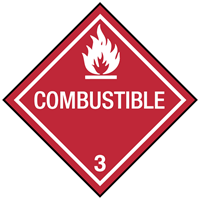
| DOT Hazard Label | USCG CHRIS Code |
|
none |
| NIOSH Pocket Guide | International Chem Safety Card |
| none | none |

NFPA 704
| Diamond | Hazard | Value | Description | |||||||||
|---|---|---|---|---|---|---|---|---|---|---|---|---|
|
 Health
|
1 | Can cause significant irritation. | |||||||||
 Flammability
|
2 | Must be moderately heated or exposed to relatively high ambient temperatures before ignition can occur. | ||||||||||
 Instability
|
0 | Normally stable, even under fire conditions. | ||||||||||
 Special
|
(NFPA, 2010)
General Description
PHYSICAL DESCRIPTION: Clear colorless liquid. (NTP, 1992)
)
)
The
Hazard fields
include
special hazard alerts
air and water
reactions, fire hazards, health hazards, a reactivity profile, and
details about
reactive groups assignments
and
potentially incompatible absorbents.
The information in CAMEO Chemicals comes from a variety of
data sources.
Reactivity Alerts
none
Air & Water Reactions
Flammable. Insoluble in water.
Fire Hazard
This chemical is combustible. (NTP, 1992)
Health Hazard
SYMPTOMS: Symptoms associated with exposure to aliphatic hydrocarbons may include nausea vomiting, dizziness, weakness, central nervous system effects such as depression, convulsions and, in extreme cases, coma. Other symptoms may include pulmonary and gastrointestinal irritation, pulmonary edema, bronchial pneumonia, anorexia, anemia, nervousness, pain in the limbs and numbness.
ACUTE/CHRONIC HAZARDS: Inhalation of this chemical may cause pulmonary irritation. It may also cause IMMEDIATELY leave the contaminated area; take deep breaths of fresh air. If symptoms (such as wheezing, coughing, shortness of breath, or burning in the mouth, throat, or chest) develop, call a physician and be prepared to transport the victim to a hospital. Provide proper respiratory protection to rescuers entering an unknown atmosphere. Whenever possible, Self-Contained Breathing Apparatus (SCBA) should be used; if not available, use a level of protection greater than or equal to that advised under Protective Clothing. (NTP, 1992)
ACUTE/CHRONIC HAZARDS: Inhalation of this chemical may cause pulmonary irritation. It may also cause IMMEDIATELY leave the contaminated area; take deep breaths of fresh air. If symptoms (such as wheezing, coughing, shortness of breath, or burning in the mouth, throat, or chest) develop, call a physician and be prepared to transport the victim to a hospital. Provide proper respiratory protection to rescuers entering an unknown atmosphere. Whenever possible, Self-Contained Breathing Apparatus (SCBA) should be used; if not available, use a level of protection greater than or equal to that advised under Protective Clothing. (NTP, 1992)
Reactivity Profile
Saturated aliphatic hydrocarbons, such as N-DODECANE, may be incompatible with strong oxidizing agents like nitric acid. Charring of the hydrocarbon may occur followed by ignition of unreacted hydrocarbon and other nearby combustibles. In other settings, aliphatic saturated hydrocarbons are mostly unreactive. They are not affected by aqueous solutions of acids, alkalis, most oxidizing agents, and most reducing agents. When heated sufficiently or when ignited in the presence of air, oxygen or strong oxidizing agents, they burn exothermically to produce carbon dioxide and water.
Belongs to the Following Reactive Group(s)
Potentially Incompatible Absorbents
No information available.
)
)
The
Response Recommendation fields
include isolation and evacuation distances, as well as recommendations for
firefighting, non-fire response, protective clothing, and first aid. The
information in CAMEO Chemicals comes from a variety of
data sources.
Isolation and Evacuation
Excerpt from ERG Guide 128 [Flammable Liquids (Water-Immiscible)]:
IMMEDIATE PRECAUTIONARY MEASURE: Isolate spill or leak area for at least 50 meters (150 feet) in all directions.
LARGE SPILL: Consider initial downwind evacuation for at least 300 meters (1000 feet).
FIRE: If tank, rail tank car or highway tank is involved in a fire, ISOLATE for 800 meters (1/2 mile) in all directions; also, consider initial evacuation for 800 meters (1/2 mile) in all directions. (ERG, 2024)
IMMEDIATE PRECAUTIONARY MEASURE: Isolate spill or leak area for at least 50 meters (150 feet) in all directions.
LARGE SPILL: Consider initial downwind evacuation for at least 300 meters (1000 feet).
FIRE: If tank, rail tank car or highway tank is involved in a fire, ISOLATE for 800 meters (1/2 mile) in all directions; also, consider initial evacuation for 800 meters (1/2 mile) in all directions. (ERG, 2024)
Firefighting
Fires involving this material can be controlled with a dry chemical, carbon dioxide, foam or Halon extinguisher. (NTP, 1992)
Non-Fire Response
SMALL SPILLS AND LEAKAGE: If you spill this chemical, FIRST REMOVE ALL SOURCES OF IGNITION. Then, use absorbent paper to pick up all liquid spill material. Your contaminated clothing and absorbent paper should be sealed in a vapor-tight plastic bag for eventual disposal. Solvent wash all contaminated surfaces with ethanol followed by washing with a soap and water solution. Do not reenter the contaminated area until the Safety Officer (or other responsible person) has verified that the area has been properly cleaned.
STORAGE PRECAUTIONS: You should store this material in a refrigerator. STORE AWAY FROM SOURCES OF IGNITION. (NTP, 1992)
STORAGE PRECAUTIONS: You should store this material in a refrigerator. STORE AWAY FROM SOURCES OF IGNITION. (NTP, 1992)
Protective Clothing
RECOMMENDED RESPIRATOR: Where the neat test chemical is weighed and diluted, wear a NIOSH-approved half face respirator equipped with an organic vapor/acid gas cartridge (specific for organic vapors, HCl, acid gas and SO2) with a dust/mist filter. (NTP, 1992)
DuPont Tychem® Suit Fabrics
No information available.
First Aid
EYES: First check the victim for contact lenses and remove if present. Flush victim's eyes with water or normal saline solution for 20 to 30 minutes while simultaneously calling a hospital or poison control center. Do not put any ointments, oils, or medication in the victim's eyes without specific instructions from a physician. IMMEDIATELY transport the victim after flushing eyes to a hospital even if no symptoms (such as redness or irritation) develop.
SKIN: IMMEDIATELY flood affected skin with water while removing and isolating all contaminated clothing. Gently wash all affected skin areas thoroughly with soap and water. If symptoms such as redness or irritation develop, IMMEDIATELY call a physician and be prepared to transport the victim to a hospital for treatment.
INHALATION: If any of your personnel should inhale this substance you should remove them immediately to open air. If symptoms develop, seek medical attention.
INGESTION: DO NOT INDUCE VOMITING. If the victim is conscious and not convulsing, give 1 or 2 glasses of water to dilute the chemical and IMMEDIATELY call a hospital or poison control center. Be prepared to transport the victim to a hospital if advised by a physician. If the victim is convulsing or unconscious, do not give anything by mouth, ensure that the victim's airway is open and lay the victim on his/her side with the head lower than the body. DO NOT INDUCE VOMITING. IMMEDIATELY transport the victim to a hospital. (NTP, 1992)
SKIN: IMMEDIATELY flood affected skin with water while removing and isolating all contaminated clothing. Gently wash all affected skin areas thoroughly with soap and water. If symptoms such as redness or irritation develop, IMMEDIATELY call a physician and be prepared to transport the victim to a hospital for treatment.
INHALATION: If any of your personnel should inhale this substance you should remove them immediately to open air. If symptoms develop, seek medical attention.
INGESTION: DO NOT INDUCE VOMITING. If the victim is conscious and not convulsing, give 1 or 2 glasses of water to dilute the chemical and IMMEDIATELY call a hospital or poison control center. Be prepared to transport the victim to a hospital if advised by a physician. If the victim is convulsing or unconscious, do not give anything by mouth, ensure that the victim's airway is open and lay the victim on his/her side with the head lower than the body. DO NOT INDUCE VOMITING. IMMEDIATELY transport the victim to a hospital. (NTP, 1992)
)
)
The
Physical Property fields
include properties such as vapor pressure and
boiling point, as well as explosive limits and
toxic exposure thresholds
The information in CAMEO Chemicals comes from a variety of
data sources.
Note: For Vapor Density and Specific Gravity, comparing the value to 1.0 can tell you if the chemical will likely sink/rise in air or sink/float in fresh water (respectively). Short phrases have been added to those values below as an aid. However, make sure to also consider the circumstances of a release. The Vapor Density comparisons are only valid when the gas escaping is at the same temperature as the surrounding air itself. If the chemical is escaping from a container where it was pressurized or refrigerated, it may first escape and behave as a heavy gas and sink in the air (even if it has a Vapor Density value less than 1). Also, the Specific Gravity comparisons are for fresh water (density 1.0 g/mL). If your spill is in salt water (density about 1.027 g/mL), you need to adjust the point of comparison. There are some chemicals that will sink in fresh water and float in salt water.
Note: For Vapor Density and Specific Gravity, comparing the value to 1.0 can tell you if the chemical will likely sink/rise in air or sink/float in fresh water (respectively). Short phrases have been added to those values below as an aid. However, make sure to also consider the circumstances of a release. The Vapor Density comparisons are only valid when the gas escaping is at the same temperature as the surrounding air itself. If the chemical is escaping from a container where it was pressurized or refrigerated, it may first escape and behave as a heavy gas and sink in the air (even if it has a Vapor Density value less than 1). Also, the Specific Gravity comparisons are for fresh water (density 1.0 g/mL). If your spill is in salt water (density about 1.027 g/mL), you need to adjust the point of comparison. There are some chemicals that will sink in fresh water and float in salt water.
| Chemical Formula: |
|
Flash Point:
165°F
(NTP, 1992)
Lower Explosive Limit (LEL):
0.6 %
(NTP, 1992)
Upper Explosive Limit (UEL): data unavailable
Autoignition Temperature:
400°F
(NTP, 1992)
Melting Point:
14.7°F
(NTP, 1992)
Vapor Pressure:
1 mmHg
at 118°F
; 0.3 mmHg at 68°F
(NTP, 1992)
Vapor Density (Relative to Air):
5.96
(NTP, 1992)
- Heavier than air; will sink
Specific Gravity:
0.7487
at 68°F
(NTP, 1992)
- Less dense than water; will float
Boiling Point:
421.3°F
at 760 mmHg
(NTP, 1992)
Molecular Weight:
170.34
(NTP, 1992)
Water Solubility:
less than 1 mg/mL
at 77°F
(NTP, 1992)
Ionization Energy/Potential: data unavailable
IDLH: data unavailable
AEGLs (Acute Exposure Guideline Levels)
No AEGL information available.ERPGs (Emergency Response Planning Guidelines)
No ERPG information available.PACs (Protective Action Criteria)
| Chemical | PAC-1 | PAC-2 | PAC-3 | |
|---|---|---|---|---|
| Dodecane (112-40-3) | 0.12 ppm | 1.3 ppm | 7.9 ppm | LEL = 6000 ppm |
(DOE, 2024)
)
)
The
Regulatory Information fields
include information from
the U.S. Environmental Protection Agency's Title III Consolidated List of
Lists,
the U.S. Cybersecurity and Infrastructure Security Agency's Chemical Facility
Anti-Terrorism Standards,
and the U.S. Occupational Safety and Health Administration's
Process Safety Management of Highly Hazardous Chemicals Standard List
(see more about these
data sources).
EPA Consolidated List of Lists
No regulatory information available.CISA Chemical Facility Anti-Terrorism Standards (CFATS)
No regulatory information available.OSHA Process Safety Management (PSM) Standard List
No regulatory information available.)
)
This section provides a listing of alternate names for this chemical,
including trade names and synonyms.
- ADAKANE 12
- BA 51-090453
- BIHEXYL
- C12-N-ALKANE
- DIHEXYL
- DODECANE
- DUODECANE
- N-DODECANE
Contact Us | Website Satisfaction Survey
Version 3.1.0 rev 1